Review: Red and Green Christmas Scarf Design
As a designer who spends more time staring at stitch previews than actual holiday decorations, I approach every new machine embroidery design with a mix of curiosity and skepticism. When I first loaded the Red and Green Christmas Scarf file onto my screen, my immediate reaction was one of seasonal warmth. There is something inherently cozy about this illustration style that translates surprisingly well into thread. However, liking a graphic on a monitor is very different from trusting it on a client's garment. This review breaks down how this specific design holds up when moved from a digital asset to a tangible, stitched reality.
First Impressions and Visual Personality
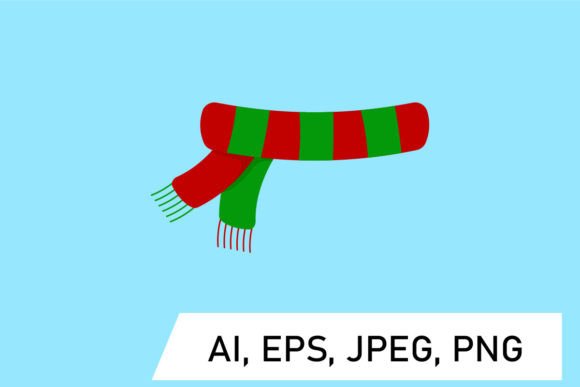
The Red and Green Christmas Scarf falls squarely into the Illustrations category, which usually signals a need for careful handling regarding stitch types. The layout features a classic holiday palette, but the charm lies in the flow of the scarf itself. It doesn't look like a rigid clip-art icon; instead, it has a sense of movement, as if caught in a winter breeze. For a professional embroiderer, this suggests a design that relies heavily on smooth satin stitch columns to capture those curves, likely supported by fill stitch areas for the heavier fabric folds.
The mood is undeniably festive without being overpowering. It avoids the clutter often found in holiday graphics, making it a versatile candidate for various projects. Whether you are aiming for a boutique aesthetic or a homemade feel, the visual personality here strikes a balance between polished and playful. It feels like a design that says "handmade with care" rather than "mass-produced."
Real-World Application: The Holiday Gift Rush
To truly test the viability of this embroidery project, I imagined a realistic scenario: a small shop owner preparing for the December rush. Let's say you are creating a line of limited-edition custom apparel or perhaps a collection of personalized gift items. The Red and Green Christmas Scarf shines brightest here. Picture it centered on a cream-colored fleece sweatshirt embroidery project. The contrast of the red and green threads against the soft, textured background would create a high-value finished product that customers instinctively want to touch.
Beyond apparel, this design is a strong contender for home goods. A tote bag design featuring this scarf could elevate a simple canvas shopper into a reusable holiday essential. It would also work beautifully on kitchen linens, such as a flour sack tea towel, where the illustrative nature of the art complements the rustic fabric texture. For Etsy sellers looking to expand their catalog beyond standard ornaments, applying this motif to a plush pillow cover or a nursery blanket offers a fresh take on holiday embroidery.
Navigating Fabric and Hoop Challenges
While the design is visually appealing, practical execution requires attention to detail. The flowing lines of the scarf mean that stitch density is a critical factor. If the density is too high on a stretchy fabric like a jersey t-shirt, you risk puckering, which ruins the clean lines of the illustration. Conversely, if the density is too low on a thick terrycloth towel, the backing might show through, compromising the professional look.
I recommend testing this embroidery file on scrap fabric that matches your final material exactly. Pay close attention to the curved sections. On curved surfaces like caps, the distortion can be tricky. If you plan to use this for headwear, ensure your hooping technique is flawless to prevent the scarf from looking warped. Additionally, for small hoop sizes, verify that the design fits without cropping essential details. Sometimes, an illustration looks perfect at 100% scale but loses its character when resized too small for a pocket logo or a cuff.
Dark fabrics present another consideration. The red and green colors are vibrant, but on a navy or black garment, you must ensure the thread colors have enough saturation to pop. A quick test stitch on dark material will tell you if you need to adjust the underlay or switch to a slightly brighter thread shade to maintain visibility.
Commercial Viability and Brand Consistency
For craft business owners and creative entrepreneurs, the value of a design isn't just in how it looks, but in how it sells. The Red and Green Christmas Scarf has strong commercial potential because it is recognizable yet generic enough to fit various branding needs. It doesn't scream a specific year, meaning it can remain a staple in your design assets library for multiple seasons.
Using this design can enhance brand consistency if your shop focuses on cozy, winter-themed goods. It builds customer trust because the clean lines and balanced composition signal quality. In the world of digital embroidery file sales or physical goods, presentation is everything. A well-stitched version of this scarf on a high-quality mockup can significantly boost buyer engagement. It tells a story of warmth and tradition, which is exactly what consumers are looking for during the holidays.
Essential Designer Notes for Success
Before committing this design to a paid order or a large production run, there are several technical checks you should perform. First, always test the design on scrap fabric. This cannot be overstated. Second, check thread color contrast. Even within the red and green spectrum, the specific shades matter. A forest green might blend too much with a dark background, while a neon green might clash with the vintage vibe.
Review the stitch density settings in your software if you have the ability to edit the file. Ensure that long runs of satin stitch have proper tack-downs to prevent looping. Confirm your hoop size accommodates the full width of the scarf, including any decorative ends. Inspect small details closely; in illustrative designs, tiny running stitch outlines can sometimes get lost if the needle deflects.
It is also wise to test it in black and white mockups (or grayscale stitching) to see if the design holds its form without relying solely on color. Compare how it looks on both light and dark fabric backgrounds to gauge versatility. Always use the proper stabilizer for your fabric type; a cut-away stabilizer is often safer for garments that will be washed frequently, ensuring the design doesn't distort over time.
Finally, clarify the licensing terms. While this design appears suitable for both personal and commercial embroidery projects, you must confirm whether you are allowed to sell the digital embroidery file itself or only the finished product. Protecting your small shop product integrity starts with respecting intellectual property rights.
In conclusion, the Red and Green Christmas Scarf is a robust choice for designers looking to add a touch of holiday spirit to their repertoire. It bridges the gap between cute illustration and serious embroidery work, provided you respect the technical requirements of the stitch-out. With the right fabric, stabilizer, and thread choices, this design can become a standout piece in your winter collection.