Review: Watercolor Christmas Pine Tree Clipart for Stitching
As a designer who spends more time staring at stitch maps than actual trees, I approach every new Watercolor Christmas Pine Tree Clipart file with a mix of excitement and skepticism. We all know the drill: a digital illustration looks breathtaking on a screen, but the moment you try to translate those soft, bleeding watercolor edges into thread, things can get messy fast. I recently pulled this specific design from the Illustrations category to test its viability for a real-world holiday collection, and here is my honest breakdown of how it performs when the needle hits the fabric.
The First Impression: Mood and Visual Personality
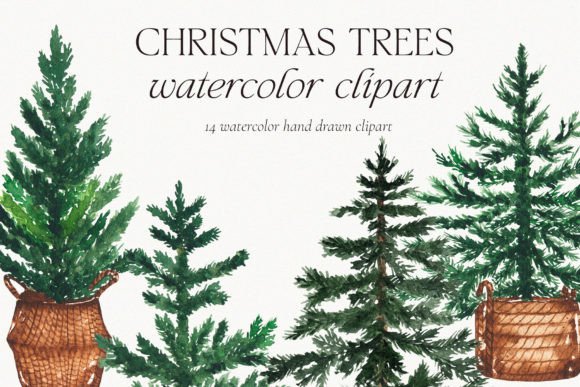
When I first opened the preview for the Watercolor Christmas Pine Tree Clipart, the immediate vibe was nostalgic and soft. Unlike the sharp, vector-style graphics we often see in commercial embroidery, this design leans heavily into an artistic, hand-painted aesthetic. The shape is organic, avoiding the rigid symmetry of a perfect triangle, which gives it a charming, whimsical personality. For a designer, this is both a blessing and a challenge. The lack of hard lines means the design feels less "industrial" and more like a piece of art, making it perfect for boutique branding or high-end personalized gifts. However, that same softness demands careful handling during the digitizing or stitching phase to ensure it doesn't look muddy once stitched out.
Real-World Application: The Holiday Tote Test
To truly gauge the value of this Watercolor Christmas Pine Tree Clipart, I decided to run a practical test case. I had a client order for a small batch of custom canvas tote bags intended as corporate holiday gifts. The goal was to create something that felt handmade and warm, rather than stiff and corporate. I chose a natural, unbleached canvas fabric to let the greens and subtle hints of gold in the design pop.
The result was surprisingly effective. Because the design mimics a watercolor style, it didn't require heavy, dense saturation that would make the canvas stiff. Instead, by utilizing a mix of fill stitch variations and lighter running stitch details, the final finished product retained the drape of the bag. Customers reacting to the mockup loved the "artistically imperfect" look. It elevated the perceived value of the handmade product immediately. If you are an Etsy seller or running a small shop product line, this kind of visual appeal is crucial for standing out in a saturated market.
Versatility Across Different Products
Beyond tote bags, I can see this machine embroidery design working beautifully across a wide range of applications. Here is where I believe it shines:
- Sweatshirt Embroidery: The soft edges blend well with the texture of fleece or French terry, avoiding the "plastic sticker" look that dense designs sometimes have.
- Baby Embroidery: For onesies or nursery blankets, the gentle aesthetic is perfect. It's not too aggressive or bold, fitting the delicate nature of baby items.
- Kitchen Towels and Aprons: As a holiday embroidery accent, it adds a festive touch without overwhelming the utility of the item.
- Printable Mockups: Even before stitching, the design serves as a strong asset for digital embroidery file previews and marketing materials.
Critical Considerations for Execution
While the Watercolor Christmas Pine Tree Clipart is visually stunning, it is not a "load and go" solution for every scenario. There are specific situations where you need to proceed with caution. If you are working on a curved surface like caps, the wide spread of the watercolor effect might cause registration issues if the hoop size is too small or the fabric shifts. Similarly, on very thin fabric or highly stretchy fabric, the density of the green tones needs to be managed carefully. Without the right stabilizer, you risk puckering, which would ruin the soft illusion the design tries to create.
I also noticed some intricate details in the lower branches that mimic dripping paint. On a dark fabric, these might get lost unless you use a high-contrast underlay or adjust the thread colors slightly brighter than the original preview suggests. If you are attempting this on a small hoop, verify that the tiny details don't turn into a solid blob of thread. Always check the stitch density; if it's too high, the "watercolor" feel disappears, replaced by a solid block of color.
Designer Notes for Best Results
Before committing this design to a client project or a large batch of custom apparel, I strongly recommend following these practical steps:
- Test on Scrap Fabric: Never skip this. Stitch the design on the exact same material and weight you plan to use for the final product.
- Check Thread Contrast: Watercolor relies on subtle shifts in tone. Ensure your thread palette has enough variation to capture the depth of the original Illustrations.
- Review Stabilizer Choice: For knits or stretchy items, a cut-away stabilizer is often safer than tear-away to prevent distortion over time.
- Inspect Small Details: Look closely at the tips of the branches. Do they stitch out cleanly, or do they need manual trimming?
- Verify Licensing: If you intend to use this for commercial embroidery or sell it as part of a design assets pack, confirm the license terms provided with the file.
Final Verdict on Value and Appeal
In the world of craft business, presentation is everything. The Watercolor Christmas Pine Tree Clipart offers a distinct advantage: it looks expensive. It moves away from the generic, clip-art feel of standard holiday designs and offers something that feels curated and thoughtful. This directly impacts customer trust and brand consistency. When a buyer sees a garment with this level of artistic detail, they perceive the personalized gift as higher quality.
However, remember that the success of this embroidery project relies heavily on your setup. The file itself is just a map; your choice of thread colors, fabric texture, and stabilization determines the destination. If you take the time to test and tweak, this design can be a standout star in your holiday lineup, whether you are creating a single embroidered patch or a full collection of small business merchandise. Just keep an eye on those fine details, respect the limitations of your hoop size, and let the artistic nature of the design guide your technical choices.