Christmas Cute Characters: A Designer's Review
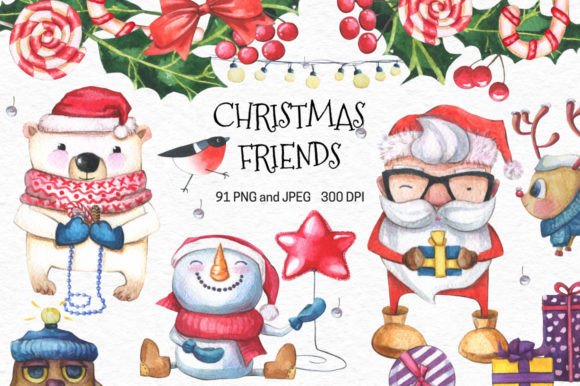
As someone who spends hours staring at screens analyzing stitch paths and density maps, I approach every new machine embroidery design with a mix of excitement and skepticism. The market is flooded with holiday motifs, but few strike the right balance between whimsical charm and technical stability. When I first opened the Christmas Cute Characters file, my immediate reaction was one of genuine delight. This isn't just another generic snowman or Santa; it is a cohesive collection within the Illustrations category that feels modern, playful, and surprisingly versatile for real-world application.
The visual personality of these characters is distinct. They possess a softness that translates beautifully into thread, avoiding the harsh, blocky look that often plagues digital art when converted to stitches. For an Etsy seller or a boutique owner looking to refresh their holiday inventory, this design offers a fresh aesthetic that moves away from traditional, stiff holiday imagery. The layout suggests a designer who understands how thread behaves on fabric, prioritizing flow over unnecessary complexity.
Real-World Application: The Holiday Tote Test
To truly evaluate an embroidery file, you have to move beyond the screen and put it on fabric. My test case for Christmas Cute Characters was a custom order for a local coffee shop wanting branded holiday gifts for their loyal customers. We decided on heavy canvas tote bag design prototypes. This was the perfect stress test: canvas has a pronounced fabric texture, and tote bags require durability since they will be carried around, washed, and potentially abused.
Stitching the design onto the canvas revealed its strengths immediately. The character shapes held up well against the weave of the material. Unlike some dense designs that cause puckering on heavier fabrics, this set seemed to breathe. The stitch density appeared balanced—dense enough to provide solid color coverage but open enough to prevent the fabric from warping. For a small shop product like this, the finished look was professional and inviting. It didn't look like a cheap iron-on transfer; it looked like a high-quality handmade product.
I also visualized this design on a children's sweatshirt embroidery project. The "cute" factor is undeniable here. Parents are always looking for unique personalized gift options that aren't available in big-box stores. These characters, with their expressive features and friendly vibes, would resonate deeply with the nursery and kids' apparel market. The scale of the design fits perfectly on a chest pocket or as a central motif on a onesie, making it an excellent choice for baby embroidery projects where softness and visual appeal are paramount.
Technical Performance and Stitch Quality
From a technical standpoint, the transition between different stitch types in Christmas Cute Characters is smooth. The design utilizes a smart combination of fill stitch for the bodies and satin stitch for outlines and details. This variation adds depth and dimension, preventing the final image from looking flat. In many digital embroidery file collections, the transition between these stitch types can be jumpy or messy, leading to thread breaks or bird nests. However, the pathing here felt logical, minimizing jumps and trims which saves time during production—a crucial factor for anyone running a craft business.
The use of running stitch for finer details, such as facial expressions or small accessories, adds a delicate touch that enhances the illustrative quality of the artwork. It mimics the look of hand-drawing, which aligns perfectly with the current trend toward artisanal, imperfectly perfect aesthetics. For commercial embroidery projects where speed and consistency matter, knowing that the design runs cleanly without constant intervention is a massive relief.
Navigating Fabric Challenges
While the design performs well on stable fabrics like cotton, canvas, and denim, caution is advised when working with trickier materials. If you plan to use Christmas Cute Characters on stretchy knits or thin silks, your choice of stabilizer becomes critical. The weight of the fill stitches could cause lightweight fabrics to sag if not properly supported. I strongly recommend using a cut-away stabilizer for garments that will undergo frequent washing, ensuring the design retains its shape over time.
Additionally, consider the hoop size relative to your machine. While the design scales well, shrinking it too much for a tiny cap or a narrow cuff might compromise the integrity of the small details. The fine lines created by the running stitches could merge if the design is reduced beyond its intended limit. Always check the minimum size recommendations provided with the file. Similarly, on dark fabrics, ensure your thread colors have enough contrast. The pastel or muted tones often found in cute illustrations might get lost on black or navy backgrounds unless you adjust the color palette or add an underlay.
Boosting Brand Value and Customer Engagement
In the world of online selling, presentation is everything. Christmas Cute Characters excels in creating printable mockup assets that stop the scroll. The clean lines and charming subjects photograph beautifully, making them ideal for social media marketing. For an Etsy seller, having a design that looks good in photos is half the battle won. It signals quality before the customer even touches the finished product.
Using these characters consistently across a product line—from aprons to pillow covers—helps build brand recognition. Customers begin to associate that specific style of illustration with your shop. This consistency fosters trust. When a buyer sees a well-executed, adorable design on a holiday embroidery item, they perceive higher value. It transforms a simple piece of cloth into a cherished keepsake. Whether it's a wedding gift for a couple celebrating their first Christmas together or a festive decoration for a home, the emotional connection these characters evoke is powerful.
Final Designer Notes and Best Practices
Before committing to a large production run or listing these as design assets for sale, there are a few practical steps every professional should take. First, always test the design on a scrap piece of the actual fabric you intend to use. What works on quilting cotton might behave differently on fleece. Second, review the license terms carefully. Some files are for personal use only, while others allow for commercial embroidery on physical goods but prohibit reselling the digital file itself. Confirming this protects your business from legal issues.
Pay close attention to thread selection. While the default color map in your software is a good starting point, don't be afraid to customize. Swapping a standard red for a variegated holiday thread could add a unique flair to your embroidered patch or garment. Also, inspect the small corners and tight curves after stitching. If you notice pull-outs, a slight adjustment in tension or a different needle size might be necessary.
Ultimately, Christmas Cute Characters stands out as a reliable and aesthetically pleasing addition to any designer's library. It bridges the gap between digital artistry and tactile craftsmanship. Whether you are a hobbyist making gifts for family or a seasoned entrepreneur stocking a boutique, this design offers the versatility and quality needed to create standout custom apparel and decor. With the right preparation and attention to detail, it has the potential to become a bestseller in your holiday collection.