Baby's First Christmas Ornament: A Designer's Review
As someone who spends more time staring at stitch maps than most people spend looking at their phones, I approach every new machine embroidery design with a mix of excitement and skepticism. We've all been there: you buy a cute file, load it up, and halfway through the run, you realize the density is going to turn your soft baby onesie into a cardboard shield. That is why I took a close look at the Baby 1st First Christmas Ornament before committing it to any client projects or holiday inventory. This isn't just about whether it looks cute on a screen; it's about how it performs under the needle and how it translates into a tangible, sellable product.
First Impressions and Visual Personality
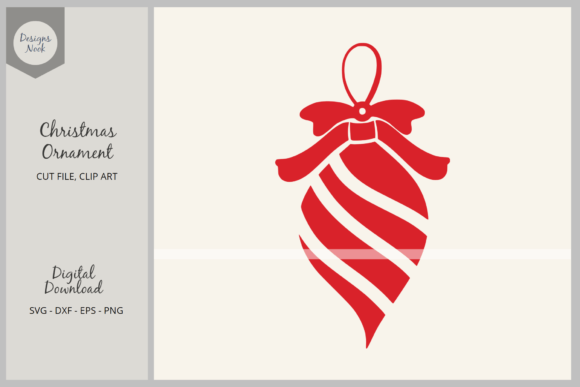
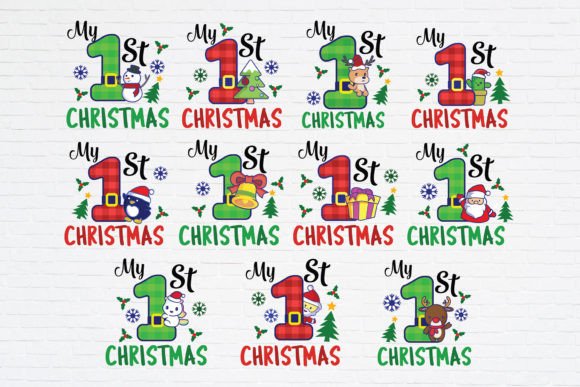
When I first pulled up the preview for this Illustrations category item, the immediate vibe was nostalgic and warm. The layout captures that specific "baby's first" sentiment without feeling overly cluttered. In the world of holiday embroidery, it is easy to fall into the trap of over-designing, but this piece feels balanced. The shape suggests a classic ornament silhouette, which gives it a contained boundary perfect for various applications.
The visual personality leans towards traditional yet clean. It doesn't rely on thousands of tiny running stitches that might flag or break on high-speed machines. Instead, it appears to utilize a smart combination of satin stitch for the borders and text, paired with strategic fill stitch areas to create depth. For a designer, this is promising. It means the finished product should have a nice texture contrast—smooth, shiny edges against a softer, matte interior—which adds perceived value to the item.
Real-World Application: The Holiday Gift Rush
To truly test the viability of this design, I imagined a real-life scenario that many of us face in November and December: the rush for personalized boutique gifts. Let's say you are an Etsy seller or a small shop owner preparing a line of custom keepsakes. You aren't just stitching for fun; you are stitching for profit and reputation.
I envisioned using this design on a premium velvet tote bag or a structured canvas apron for a new parent. In this context, the Baby 1st First Christmas Ornament shines because it acts as a focal point. It's not so large that it overwhelms a smaller garment, but it has enough presence to stand out on a tote bag design. If I were creating a personalized gift package, pairing this embroidery with a matching tea towel or a nursery pillow cover would create a cohesive collection. The design's clarity ensures that even from a distance, the message is readable, which is crucial for brand consistency if you are selling these as part of a larger holiday line.
Performance on Different Fabrics
One of the biggest challenges in commercial embroidery is fabric compatibility. This design seems versatile, but caution is needed depending on your material choice.
- Stable Wovens: On items like denim jackets, canvas totes, or heavy cotton twill, this design should perform flawlessly. The stability of the fabric supports the stitch density without puckering.
- Knits and Stretchy Fabrics: If you plan to use this for sweatshirt embroidery or baby bodysuits, you must be vigilant. The ornament shape has defined edges; if the fabric stretches too much during wear, those satin columns could gap. Using a high-quality cutaway stabilizer is non-negotiable here to maintain the integrity of the shape.
- Textured Materials: Placing this on a fuzzy fleece blanket or a textured towel might obscure some of the finer details. While the bold lines will hold up, the intricate inner details of the illustration might get lost in the pile of the fabric.
Critical Considerations for Production
Before you start churning out dozens of these for your craft fair booth, there are practical hurdles to clear. The devil is always in the details, especially with seasonal designs that need to look perfect immediately upon unboxing.
Sizing and Hoop Constraints
While the design is charming, you need to verify the minimum hoop size required. If you are working with small items like baby socks or hat brims, ensure the design scales down without losing legibility. Tiny lettering within the "First Christmas" text can become a blob of thread if reduced too far. Always run a test stitch-out on scrap fabric of the same weight as your final product. This is the golden rule of being a professional embroidery project manager.
Thread Color and Contrast
The mood of this piece relies heavily on color selection. A classic red and green palette is obvious, but for a modern boutique feel, consider metallic gold threads against navy blue or crisp white against a deep burgundy. However, be mindful of thread colors that are too similar in value; without enough contrast, the digital embroidery file's depth will vanish, leaving you with a flat-looking mess. Test your design in black and white mockups first to check the tonal separation before threading up the machine.
Commercial Viability and Licensing
For the creative entrepreneurs and apparel decorators reading this, remember that using a design for personal gifts is different from selling finished goods. Before listing items featuring the Baby 1st First Christmas Ornament in your online store, confirm the licensing terms provided by the creator. Some files allow unlimited physical sales, while others restrict the number of items or forbid digital resale entirely. Protecting your craft business means respecting these boundaries to avoid legal headaches later.
Final Verdict for Makers
In the landscape of available design assets, this ornament stands out as a solid contender for holiday production. It balances aesthetic appeal with technical feasibility. It is not a design that demands advanced troubleshooting, but it does require a respectful approach to fabric preparation and stabilizer choice.
If you are looking to elevate your handmade product offerings this season, this file offers a reliable foundation. Whether it ends up on a custom apparel piece for a client or an embroidered patch for a memory book, the potential for a high-quality finished product is high. Just remember: test first, stabilize well, and choose your fabrics wisely. When executed with care, this design doesn't just decorate an item; it turns a simple piece of cloth into a cherished heirloom that customers will trust and treasure.